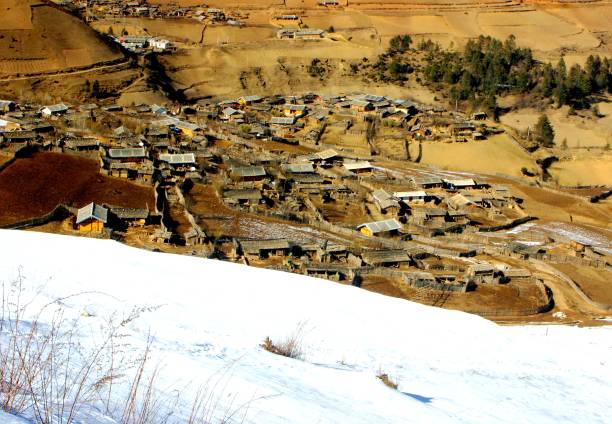
Across Pakistan’s Salt Range, local salt is more than a kitchen ingredient. Families often connect it with cooking, food preservation, household traditions, local trade, and the landscape surrounding their villages.
In villages near salt mines, people understand salt through everyday experience. Its colour, texture, taste, and origin can influence how residents choose, store, prepare, and serve food within ordinary village kitchens.
Local salt also carries cultural meaning. For many families, using salt from nearby sources creates a practical connection between household routines, community identity, traditional knowledge, and regional livelihoods across generations within families.
Salt remains one of the simplest ingredients used in village kitchens. A small amount can season lentils, vegetables, rice, meat, breads, chutneys, pickles, and traditional snacks throughout the entire year.
Many households add salt gradually while cooking, tasting food before serving. This familiar practice helps balance flavours and reflects cooking knowledge passed between parents, grandparents, and younger family members in familiar family kitchens.
Local salt can also be used at the table, especially when meals include fresh vegetables, fruit, yoghurt, or homemade foods. Its presence is ordinary rather than ceremonial during everyday family meals.
Salt has long played an important role in preparing foods that need longer storage. Villagers may use it when making pickles, preserving vegetables, or preparing certain dried foods within many rural households.
In homes where seasonal produce is common, preservation can reduce waste and provide ingredients beyond harvest periods. Salt supports these traditional methods by helping create conditions suitable for longer keeping for future household use.
These practices vary between households and communities. Still, the basic idea remains familiar: carefully prepared food, combined with salt and proper storage, can remain useful for longer in different local households.
Pickling is one of the clearest examples of salt entering everyday household routines. Vegetables, fruits, chillies, and other ingredients may be prepared with salt before being stored during seasonal kitchen work.
Families often rely on recipes learned from older relatives. The amount of salt, preparation time, spices, containers, and storage conditions can differ according to household habits and local preferences within their own families.
For village cooks, pickling is not simply about preservation. It can also be about flavour, seasonal preparation, sharing food, and maintaining recipes that have remained familiar across generations alongside familiar regional flavours.
People may choose salt based on availability, price, appearance, texture, and personal preference. In communities close to production areas, locally sourced salt can feel especially accessible for different household needs.
Some households prefer coarse crystals for particular uses, while finer salt may be convenient for everyday cooking. Different forms can therefore have different practical roles inside the kitchen depending on the meal.
Buying locally can also support nearby sellers and small traders. When residents purchase regional products, money can circulate within communities and help sustain familiar local supply networks in nearby village economies.
Proper storage matters because salt absorbs moisture easily. Villagers generally keep it in dry containers, jars, bags, or covered kitchen spaces to protect its texture and usability in everyday kitchen spaces.
Keeping salt away from water helps prevent clumping and makes it easier to measure during cooking. Simple storage habits can therefore make a basic ingredient last longer during regular meal preparation.
In traditional homes, storage methods may depend on available containers and kitchen design. The approach is usually practical, focusing on cleanliness, dryness, convenience, and easy access with locally available materials.
The Salt Range supports communities connected with mining, transportation, processing, trading, tourism, farming, and small businesses. Salt therefore has importance beyond what happens inside household kitchens across the surrounding region.
Families involved in local commerce may encounter salt through shops, markets, transport routes, or processing activities. These connections make the product part of the wider village economy and everyday household purchases.
For some residents, salt represents a familiar local resource that contributes to income opportunities. Its economic role can connect household consumption with businesses operating throughout surrounding communities within nearby village economies.
Local markets provide an important link between producers, traders, shopkeepers, and households. Salt can appear alongside grains, vegetables, spices, household goods, and other everyday necessities for routine household shopping needs.
Village shoppers often value products that are easy to find and reasonably priced. Local salt can meet this practical need when nearby suppliers maintain regular availability for routine household shopping.
Markets also help preserve local knowledge about products. Sellers may explain differences in crystal size, source, packaging, or use, helping customers make choices based on experience and local consumer knowledge.
In some communities, salt may appear in traditional household practices or home remedies. Such uses are generally based on local knowledge rather than formal medical guidance alongside other familiar practices.
People may use salted water for familiar household purposes, including traditional cleaning routines or comfort practices. However, these customs should not replace appropriate professional medical advice when families choose to do so.
The important point is cultural rather than medical. Salt can occupy a place in household knowledge, where practical uses are remembered, discussed, and passed between generations across many family generations.
The Salt Range gives local communities a strong geographical connection to salt production. Villages located near these resources may regard salt as part of their regional identity for many generations.
Local stories, livelihoods, landscapes, and markets can all reinforce this connection. Salt becomes something residents recognise not only as food, but also as part of their surroundings across the wider community.
This identity can be especially meaningful for younger generations. Learning how local salt is produced and used can help them understand the relationship between community life and natural resources and local family traditions.
Modern packaged foods and changing shopping habits have influenced household routines across Pakistan. Even so, traditional salt uses continue where families value familiar ingredients and preparation methods in many village homes.
Younger household members may combine modern products with older recipes. This creates a flexible approach in which local salt remains useful without every traditional practice staying exactly the same within familiar cooking routines.
Better packaging, transport, and wider retail networks have also changed access. Villagers can now encounter different salt products while still maintaining preferences shaped by local experience without abandoning traditional flavours.
Using local resources responsibly matters for communities living near natural deposits. Salt production needs appropriate management so economic activity can continue while environmental and social concerns receive attention for ordinary household buyers.
Consumers can support responsible practices by learning where products come from and choosing reputable suppliers. This encourages transparency and can strengthen relationships between producers, sellers, and communities for surrounding village communities.
For villages in the Salt Range, the future of local salt involves more than continued consumption. It also includes sustainable livelihoods, careful resource management, and preservation of useful traditions over the longer term.
Local salt remains woven into ordinary village life through cooking, preservation, markets, household knowledge, and regional identity. Its importance comes from many small uses rather than one single tradition in practical everyday ways.
For families living close to the Salt Range, the ingredient can represent convenience and familiarity. At the same time, it can connect daily routines with local economic activity through familiar local connections.
Understanding these everyday uses offers a simple way to appreciate village life. Salt may look ordinary, yet its journey from landscape to kitchen reflects community, culture, and work and a shared regional story.

This post has been authored and published by one of our premium contributors, who are experts in their fields. They bring high-quality, well-researched content that adds significant value to our platform.












Pakistan View is a Pakistan-focused online platform sharing useful, informative, and engaging content about Pakistan and a wide range of general topics.