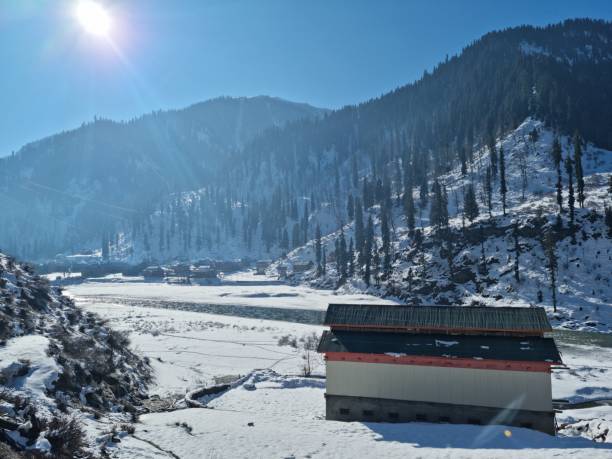
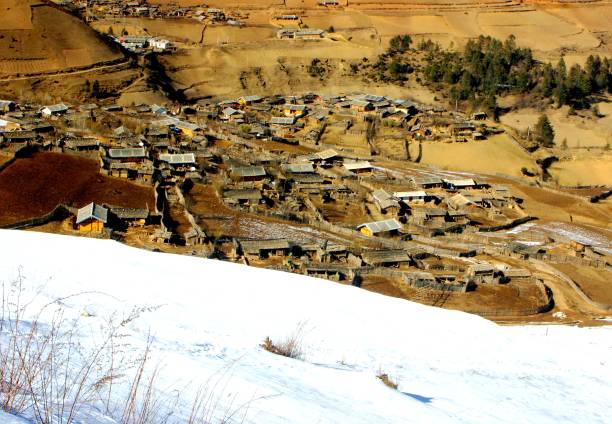
For many small fishing communities, the Indus River is more than a source of income. It shapes daily routines, food traditions, family work, and relationships with surrounding villages.
Fishing often begins before sunrise, when river conditions are calmer and temperatures remain relatively low. Fishermen return with their catch and quickly decide how it should be handled.
The amount caught can vary considerably from one day to another. Some days bring enough fish for household meals, while larger catches may need careful storage before sale.
Because refrigeration may not always be available, local knowledge becomes particularly important. Families rely on practical techniques that help maintain freshness while reducing unnecessary waste.
Once fishermen return, the first important task is sorting. Fish are separated according to species, size, condition, and whether they are intended for household consumption or sale.
This process is usually carried out quickly because fresh fish can deteriorate rapidly in warm weather. Removing damaged specimens also helps protect the quality of the remaining catch.
Larger fish may be kept separately from smaller varieties. Different fish have different market values, cooking uses, and storage requirements, making careful sorting useful for families.
In some communities, several family members participate in this stage. Children may help with simple tasks, while experienced adults handle cleaning, weighing, preparation, and decisions about storage.
Where ice is available, it can be one of the simplest ways to slow spoilage. Fish are commonly placed inside insulated containers, boxes, or other suitable storage vessels.
The fish are kept surrounded by ice rather than simply placed nearby. Maintaining a consistently cold environment helps preserve texture and freshness until transportation or sale.
Small-scale fishermen may purchase ice from nearby markets or suppliers before heading towards the river. The amount needed depends on expected catches, weather, and journey duration.
Good handling also matters. Fish can lose quality even when surrounded by ice if containers are dirty, exposed to excessive sunlight, or opened unnecessarily throughout the day.
Not every fishing household has access to reliable refrigeration. In such situations, traditional storage methods can provide short-term solutions, particularly when fish need to remain usable for household meals.
One familiar approach is keeping freshly caught fish in shaded, cool areas for limited periods. Families may use covered containers to protect the catch from insects, dust, and direct sunlight.
However, shade alone cannot preserve fish indefinitely, especially during hot conditions. Communities therefore often combine cooling, cleaning, cooking, drying, or salting according to available resources.
The choice depends heavily on circumstances. A family expecting to cook fish that evening may handle its catch differently from someone preparing fish for longer storage.
Cleaning is another important part of traditional fish handling. Scales, internal organs, and unwanted material may be removed before fish are stored or prepared.
Removing internal organs can reduce certain sources of deterioration, although fish still need appropriate cooling or preservation afterwards. Clean handling also makes later cooking more convenient.
Some families wash fish using available clean water before storage. The cleanliness of knives, containers, working surfaces, and hands also influences how safely food can be handled.
Preparation methods often reflect local cooking traditions. Fish intended for immediate meals may be cleaned differently from fish selected for drying, salting, or later preparation.
Drying is one of the oldest preservation techniques used by communities living near rivers and coastal areas. It allows fish to remain useful beyond the immediate fishing day.
Fish selected for drying are generally cleaned and prepared before being exposed to sunlight. The process removes moisture, making conditions less favourable for many spoilage organisms.
The prepared fish may be placed on suitable raised surfaces or racks where air can circulate. Keeping them away from contaminated ground is important for hygienic handling.
Weather has a major influence on drying. Strong sunlight and dry air can make the process easier, while humidity, rain, dust, and insects can create difficulties.
Salting can extend the usable life of fish by reducing available moisture. Salt has therefore played an important role in traditional fish preservation across many communities.
Depending on local practice, fish may be rubbed with salt or arranged with layers of salt inside suitable containers. The precise technique can vary between households.
Salted fish may later be dried, cooked, or sold. The method is particularly useful when families cannot depend on continuous electricity or modern refrigeration.
Although traditional methods remain valuable, hygiene is still essential. Clean containers, suitable salt, protected preparation areas, and proper storage conditions help reduce contamination risks.
Not every catch is taken directly to market. Families often retain some fish for their own meals, particularly when the catch is sufficient to provide food for several days.
Fish intended for household use may be cleaned and refrigerated when facilities are available. Smaller portions can also make later cooking easier and reduce repeated handling.
Where refrigeration is limited, families may cook the catch soon after returning home. Cooked fish can sometimes be incorporated into meals over the following period, depending on conditions.
Household storage decisions are influenced by family size, expected income, available fuel, cooking habits, and the quantity of fish caught that particular day.
Selling the catch quickly is often the preferred option when fishermen lack suitable long-term storage. Fresh fish can therefore move from the river to local markets within hours.
Fishermen or traders may transport fish in containers containing ice or other cooling materials. Careful transportation helps protect quality during journeys between landing areas and nearby settlements.
Timing can matter considerably. Arriving at a market while fish remain fresh may help sellers attract buyers and obtain better prices for their catch.
Market demand also affects storage decisions. If buyers are available immediately, there may be little reason to preserve a large quantity for several additional days.
Much of the knowledge surrounding fish storage is learned within families. Older fishermen often teach younger relatives how to handle catches, recognise freshness, and prepare fish.
This practical knowledge develops through repeated experience. Fishermen become familiar with seasonal changes, local weather patterns, fish behaviour, market demand, and the limitations of available storage facilities.
Traditional practices can also vary between communities along the Indus. Different areas may have distinct preferences for drying, salting, cooking, transporting, or temporarily storing fish.
Modern equipment is gradually changing some practices. Yet traditional knowledge remains valuable, particularly where access to electricity, refrigeration, transport infrastructure, and commercial cold-storage facilities remains limited.
Fish storage is not simply a household task. It can become difficult when communities face high temperatures, unreliable electricity, limited ice supplies, poor roads, or long distances to markets.
Spoilage can directly affect household income. If fish lose freshness before reaching customers, fishermen may have to accept lower prices or discard part of their catch.
Small improvements can therefore make a meaningful difference. Better insulated containers, cleaner storage areas, reliable ice supplies, and improved transport can help reduce avoidable losses.
Supporting local fishermen also requires understanding their circumstances. Practical solutions need to match household budgets, fishing patterns, local infrastructure, and the realities of working along the river.
For small fishing communities along the Indus, storing fish is closely connected with everyday survival. It links fishing, food preparation, family responsibilities, trade, and local traditions.
Some households continue using methods passed down through generations, while others increasingly rely on ice, refrigerators, insulated boxes, and faster transport to maintain freshness.
The balance between traditional knowledge and modern equipment can help communities make better use of their catches. Effective storage ultimately means less waste and more value from each fishing trip.
The Indus remains central to the lives of many communities. Understanding how fishermen handle their daily catch offers a useful glimpse into the practical knowledge, adaptability, and traditions supporting river-based livelihoods.

This post has been authored and published by one of our premium contributors, who are experts in their fields. They bring high-quality, well-researched content that adds significant value to our platform.












Pakistan View is a Pakistan-focused online platform sharing useful, informative, and engaging content about Pakistan and a wide range of general topics.