When homeowners choose a roofing material, one of the most important questions is how long they can expect it to perform. If you are considering or already have a roll roof, you may be wondering, how long does roll roofing last and whether it offers enough durability for your property.
Roll roofing is often used on low-slope roofs, garages, sheds, additions, porches, and other structures where traditional shingles may not be the best option. Its relatively straightforward installation and lower material cost can make it an attractive choice. However, like any roofing system, its service life depends on several factors.
In 2026, homeowners are also dealing with changing weather conditions, intense sunlight, heavy rain, and rising maintenance costs. Understanding what affects roll roofing's lifespan can help property owners make smarter maintenance and replacement decisions.
So, how long does roll roofing last? In general, roll roofing can last approximately 5 to 15 years, although the actual lifespan varies considerably depending on the material, installation quality, climate, roof slope, maintenance, and exposure to the elements.
Some higher-quality modified-bitumen roll roofing systems can last longer when properly installed and maintained. On the other hand, inexpensive materials exposed to harsh weather or installed over an unsuitable surface may deteriorate much sooner.
The manufacturer's specifications and the specific roofing system should always be considered when estimating expected service life.
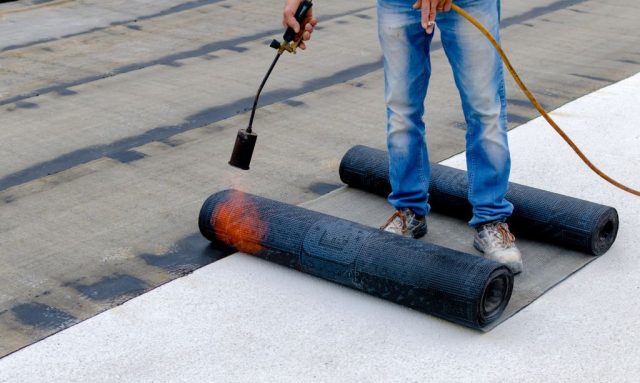
Roll roofing is a roofing material supplied in large rolls rather than individual shingles. Depending on the product, it may be made from asphalt-based materials, modified bitumen, or other roofing compounds.
Because it comes in continuous sheets, roll roofing can provide relatively quick coverage for appropriate applications. It is particularly common on low-slope structures where water drainage and installation requirements differ from those of steep-slope shingle roofs.
However, choosing the right material for the roof's design is critical. Improper application can lead to premature deterioration and moisture problems.
Several factors can determine whether a roll roof lasts closer to five years or reaches the upper end of its expected service life.
Proper installation is one of the most important factors. Seams, flashing, edges, penetrations, and attachment points must be handled correctly.
Poorly sealed seams or inadequate flashing can allow water to penetrate beneath the roofing material. Even a good-quality product can fail prematurely when installation problems are present.
Ultraviolet radiation can gradually break down roofing materials. Constant exposure to intense sunlight may cause surfaces to dry, crack, blister, or become brittle.
Properties in sunny climates can therefore require more frequent roof inspections and maintenance.
Water is one of the biggest threats to any roofing system. Standing water is particularly concerning on low-slope roofs because it can remain on the surface longer than it would on a steep roof.
Poor drainage, clogged gutters, blocked drains, or inadequate roof slope can increase moisture exposure and contribute to deterioration.
Heavy rain, strong winds, hail, falling branches, and other weather events can damage roll roofing. Even when damage is not immediately obvious from the ground, small punctures or lifted sections can eventually allow water into the building.
After a significant storm, a professional roof inspection can help identify problems that may otherwise go unnoticed.
Knowing the warning signs can help homeowners address problems before they become major repairs.
Look for:
Interior water stains do not always appear directly beneath the point where water enters the roof. Moisture can travel along structural components before becoming visible inside the building.
Yes. Routine maintenance can help maximize the useful life of a roll roofing system.
Homeowners should keep drainage paths clear, inspect visible flashing, address damaged areas promptly, and avoid unnecessary foot traffic on the roof.
Trees should also be managed where branches can scrape against the roofing surface or fall during storms. Leaves and debris should not be allowed to accumulate in areas where they can retain moisture.
Regular professional inspections are especially useful when a roof is aging or has experienced severe weather.
A roof does not necessarily need to be replaced simply because it reaches a certain age. Its condition is more important than age alone.
However, replacement becomes more likely when a roll roof has widespread cracking, repeated leaks, extensive deterioration, significant water damage, or repairs that are becoming increasingly frequent.
If the roofing material is approaching the end of its expected service life, homeowners may benefit from planning for replacement rather than waiting for a major failure.
A professional inspection can help determine whether repair, maintenance, or replacement makes the most sense.
For homeowners researching how long does roll roofing last, age is only one part of the answer. A roof's current condition, installation quality, drainage, weather exposure, and history of repairs can provide a much better indication of how much useful life remains.
A roof inspection can identify visible concerns and help homeowners understand areas that may require maintenance or further evaluation. This can be particularly valuable before buying or selling a property.
For buyers, a roof inspection may reveal potential maintenance expenses before completing a purchase. For sellers, identifying roofing concerns early can reduce surprises during the transaction.
So, how long does roll roofing last? A typical roll roofing system may last around 5 to 15 years, but actual performance can vary widely. Quality materials, professional installation, proper drainage, regular maintenance, and timely repairs can all contribute to a longer service life.
Rather than relying solely on the roof's age, homeowners should evaluate its condition and watch for visible signs of deterioration. When problems appear or the roof approaches the end of its expected lifespan, a professional inspection can provide valuable information for deciding whether maintenance, repairs, or replacement is appropriate.

This post has been authored and published by one of our premium contributors, who are experts in their fields. They bring high-quality, well-researched content that adds significant value to our platform.










Pakistan View is a Pakistan-focused online platform sharing useful, informative, and engaging content about Pakistan and a wide range of general topics.