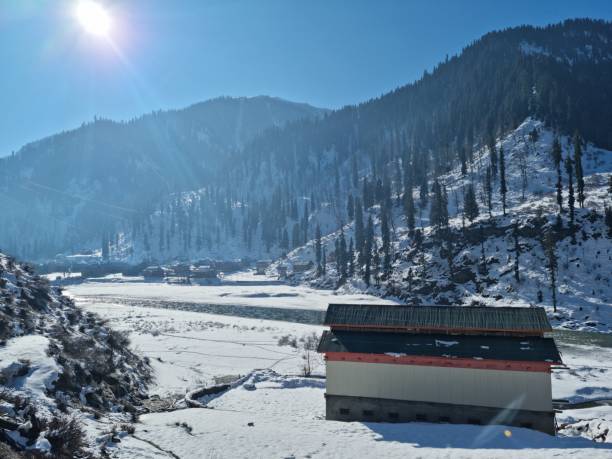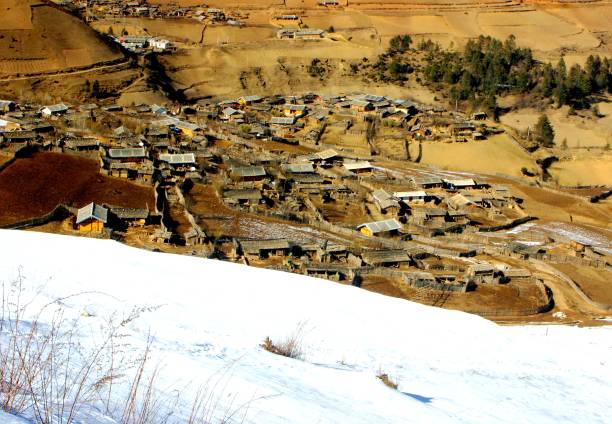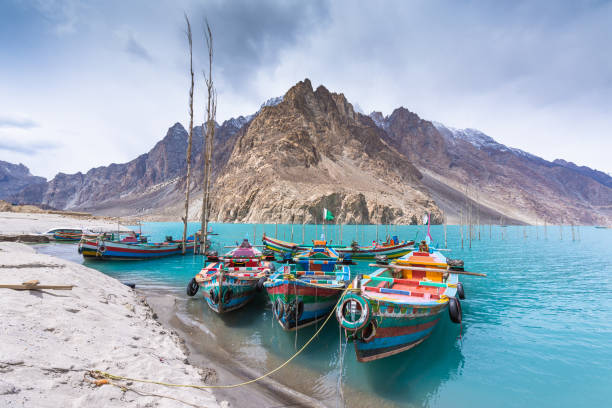
Pakistan’s mountain villages face long, demanding winters when heavy snowfall, freezing temperatures, and blocked roads can make regular shopping difficult. For families living in remote areas, food storage is more than a household routine. It is an essential part of preparing for months when travelling can become challenging and fresh produce may be scarce.
Winter preparation often begins well before temperatures drop. Families carefully estimate how much food they may need and start collecting staples while roads remain open and local markets are accessible.
Grains, flour, pulses, potatoes, onions, dried vegetables, fruits, and other household essentials are commonly purchased or produced in larger quantities. The aim is to reduce dependence on outside supplies during winter.
Families also consider the number of people living in the household. Larger families need greater quantities, while households with livestock may separately calculate fodder requirements to keep animals healthy.
This preparation reflects generations of practical knowledge. Villagers understand local weather patterns, available storage spaces, and the length of difficult periods, allowing them to plan supplies according to their circumstances.
Grains are among the most important winter food supplies because they can remain usable for extended periods when properly dried and protected. Wheat, maize, rice, and pulses may be stored in homes.
Before storage, grains are usually checked carefully for moisture, insects, damaged pieces, and other problems. Keeping them dry is particularly important because dampness can encourage mould and spoilage.
Traditional storage containers can include sacks, wooden boxes, metal containers, and other locally available materials. Families select storage methods according to the food being preserved and the conditions inside their homes.
Good storage also means protecting food from rodents and insects. Containers may be raised from damp floors, closed tightly, or placed in separate areas where household members can monitor supplies regularly.
Fresh vegetables can become harder to obtain when snow covers mountain roads or transport services are interrupted. For this reason, families often preserve vegetables during the warmer months.
Potatoes, onions, pumpkins, turnips, and other suitable vegetables can be stored in cool, dry spaces. Proper ventilation helps prevent excessive moisture from damaging vegetables during extended storage.
Some vegetables are dried before winter, reducing their moisture content and helping them last longer. Dried vegetables can later be rehydrated and incorporated into traditional meals when fresh produce is limited.
The choice of vegetables depends on local farming practices, climate, and household preferences. Families often rely on crops that grow successfully in their particular valley or mountain environment.
Fruit preservation is another useful winter strategy. During harvest seasons, households may dry fruits so that they can enjoy their nutritional value after fresh supplies become limited.
Apricots, apples, plums, mulberries, and other locally available fruits can be prepared using traditional drying methods. Once moisture is reduced, the fruit becomes easier to store for longer periods.
Drying food also provides a practical way to reduce waste. Instead of allowing surplus harvests to spoil, families can preserve them and gradually consume them throughout the colder season.
Dried fruits may be eaten as snacks or used in household dishes. Their availability can provide welcome variety when winter diets become more dependent on stored grains and vegetables.
The design of mountain homes can support food storage in practical ways. Families often identify areas where temperatures remain relatively stable and food can stay protected from moisture.
Cool rooms, storage corners, cupboards, cellars, and specially selected spaces may be used for different foods. The most suitable location depends on temperature, humidity, ventilation, and protection from animals.
Some traditional storage practices have developed through repeated experience. Families know which parts of a house remain driest, which containers work best, and where particular foods should be placed.
Modern materials may also be incorporated into traditional systems. Plastic containers, sealed bags, metal boxes, and improved shelving can provide additional protection while families continue using familiar preservation techniques.
Mountain weather can change quickly, making flexibility an important part of winter planning. Families generally avoid depending on a single food source when transport conditions are uncertain.
Keeping different staples available creates a useful safety margin. If fresh vegetables become unavailable, stored potatoes, pulses, grains, dried foods, and preserved fruits can help maintain regular household meals.
Families may also monitor weather forecasts and local conditions before roads become difficult. Early preparation can make a significant difference when snow, landslides, or extreme cold restrict movement.
This approach is not simply about storing large quantities. It is about having reliable alternatives available when normal shopping becomes inconvenient, expensive, or temporarily impossible during severe mountain weather.
For many mountain households, winter preparation includes animals as well as people. Livestock can provide milk, meat, income, and other resources, making their survival important to household wellbeing.
Families therefore prepare fodder before severe weather arrives. Hay, dried grasses, crop leftovers, and other suitable feed may be collected and stored carefully in protected locations.
Keeping fodder dry is essential because wet feed can deteriorate and become unsuitable for animals. Storage areas therefore need protection from rain, snow, excessive humidity, and unnecessary exposure.
Animal care can influence household food planning too. When livestock remain productive during winter, families may continue receiving milk or other products, reducing pressure on already limited food supplies.
Food storage in mountain villages is not always an individual household activity. Knowledge about preservation, drying, storage containers, and seasonal preparation is often shared between generations.
Older family members may teach younger people when to harvest crops, how to dry particular foods, and which storage locations provide better protection during winter.
Neighbours can also exchange practical advice based on local experience. One household may have useful knowledge about preserving fruit, while another may understand better methods for protecting grains or vegetables.
This shared knowledge is valuable because mountain communities face conditions that can vary greatly from one location to another. Local experience often provides solutions suited specifically to the surrounding environment.
Although traditional food storage remains important, mountain households are not isolated from modern changes. Better containers, refrigerators, improved packaging, transport networks, and agricultural techniques can influence how families prepare.
Modern storage products can reduce exposure to insects, rodents, moisture, and contamination. However, traditional methods continue to be useful because they are affordable, familiar, and adapted to local circumstances.
Electricity availability can also affect food preservation. Where reliable power exists, freezers and refrigerators may supplement traditional storage, although families may still preserve dried foods as a backup.
The combination of old and new methods shows how communities adapt without abandoning practical knowledge. Traditional winter preparation can evolve gradually as households gain access to new resources.
Food storage remains particularly important in mountainous regions because geography can create challenges that households in accessible urban areas rarely experience. Distance, snowfall, steep roads, and transport disruptions can affect supplies.
Having food already stored provides households with greater independence during difficult periods. Families can continue preparing meals without needing to travel frequently or depend entirely on open markets.
Storage also helps households make better use of seasonal harvests. Instead of selling or consuming everything immediately, families can preserve part of their produce for future use.
Ultimately, winter food storage reflects careful planning and adaptation. It connects agriculture, household management, traditional knowledge, weather awareness, and community cooperation in a practical response to mountain life.
The way Pakistan’s mountain villages prepare for winter demonstrates how closely everyday life can be connected to nature. Food preservation becomes part of a wider seasonal rhythm shaped by climate and geography.
Families use the warmer months to collect, dry, purchase, and organise supplies before difficult weather arrives. Each stored sack of grain or bundle of dried vegetables represents preparation for uncertainty.
These practices also show the value of knowledge passed between generations. While modern products can improve storage, local experience remains essential for understanding what works in particular mountain environments.
For visitors looking at mountain life from outside, winter food storage may seem like a simple household task. In reality, it represents resilience, planning, resourcefulness, and a deep understanding of seasonal living.

This post has been authored and published by one of our premium contributors, who are experts in their fields. They bring high-quality, well-researched content that adds significant value to our platform.












Pakistan View is a Pakistan-focused online platform sharing useful, informative, and engaging content about Pakistan and a wide range of general topics.